Skip to content
Built Environment

A topic from several perspectives

Apply this topic to your work →

Copper

Explore copper through the perspectives below. Compare their examples and tradeoffs, then connect what you learn to your own work.

Illustrated study

A metal that keeps a weather record

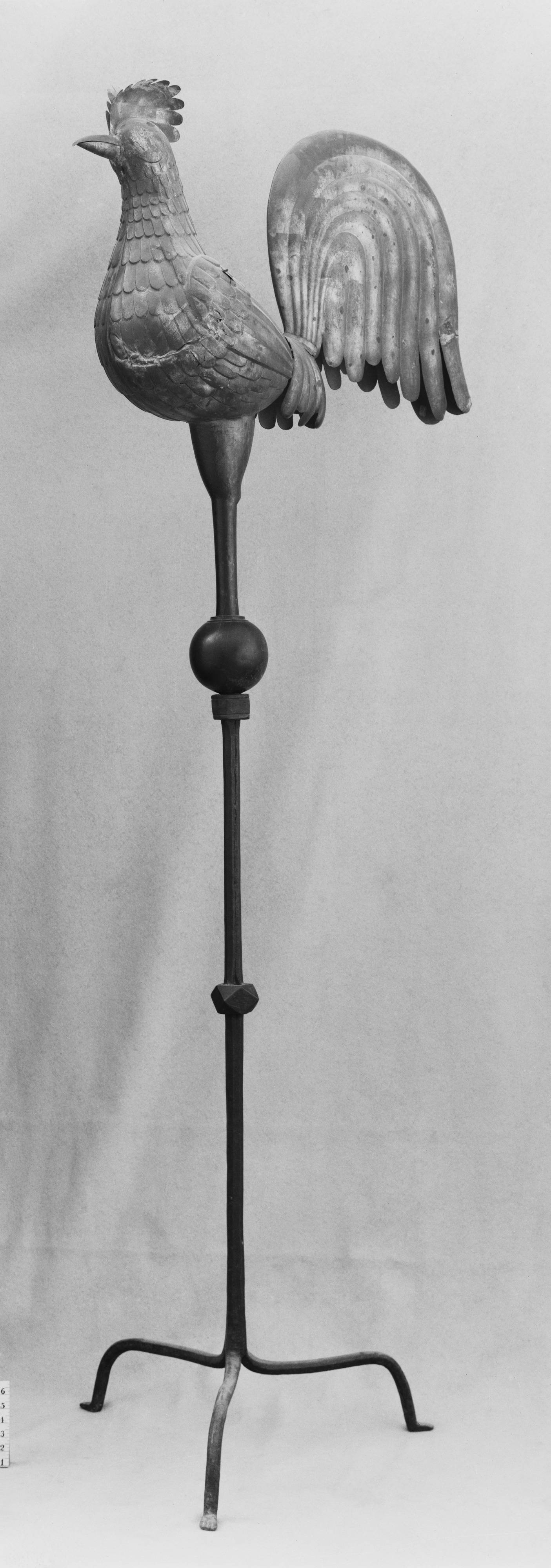
A gilt copper weathercock on an iron stand sits where the wind decides its position.

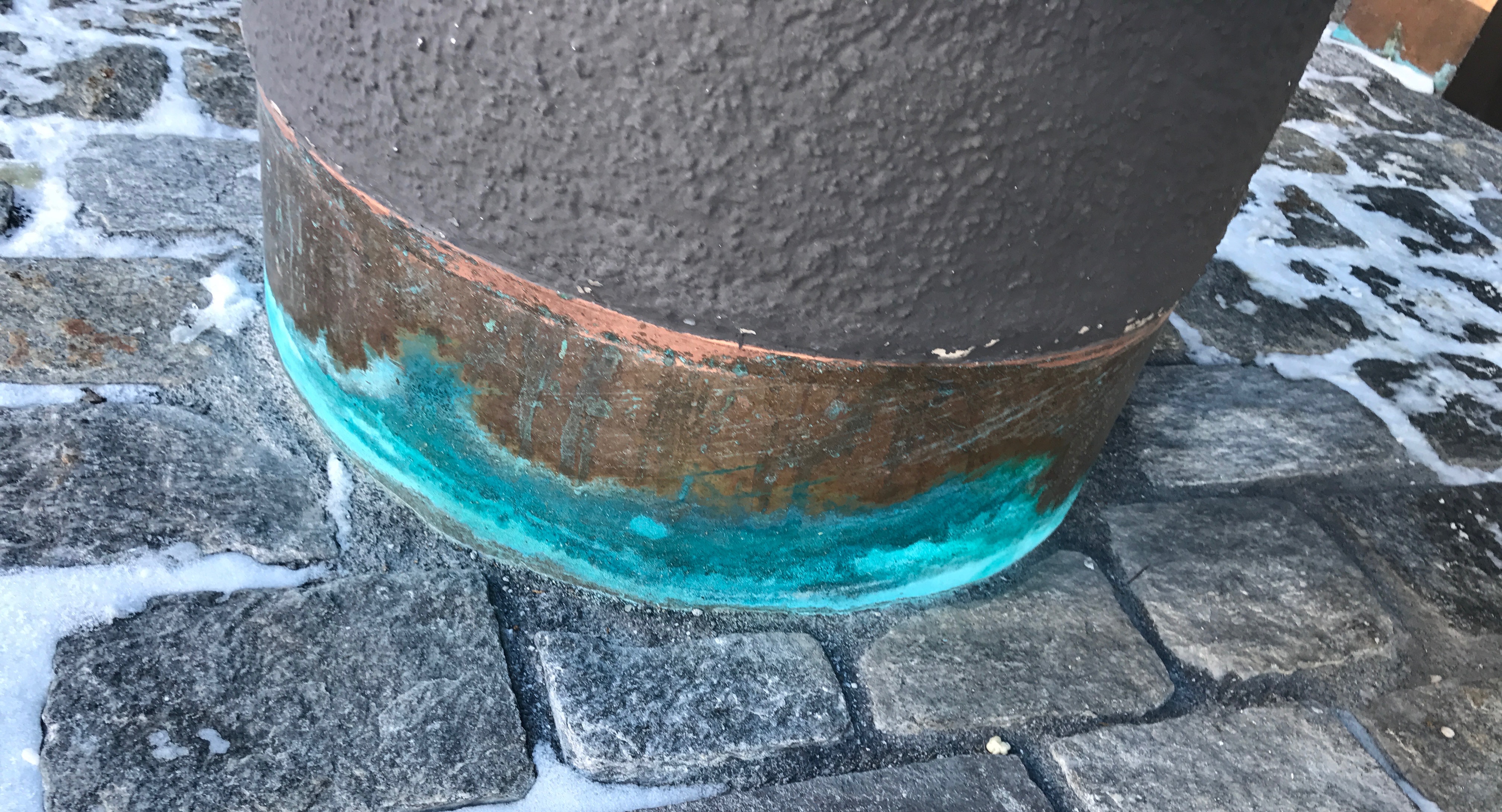
Close view of copper sheet with mottled green, brown and dark surface areas beside a raised edge.

Figure 1 · 21 January 2017

Patina on copper sheet

Compare the mottled surface with the gilded weathercock. The two appearances should not be read as a simple before-and-after sequence. Describe the visible differences first; exposure, surface treatment and maintenance history would be needed to explain them.

Adrian Michael · Wikimedia Commons
Adrian Michael · CC BY-SA 3.0

View full size ↗Download image
Collection record and reuse rights

Display copies are resized and compressed. Source and license links apply to the image above.

Tall photographic plate of a gilded copper weathercock shaped as a standing rooster, mounted on an iron shaft with a small metal stand at the base.

Figure 2 · 19th century (?)

Weathercock and Stand

Read the object in layers: gold on copper, copper on iron, all shaped around a direction of use. Copper is worked into roofs, flashings and details because it can be formed, joined and left to weather, and because its surface moves from bright to brown to green over years rather than months. That surface records exposure, and the gilding here is a decision to slow it. What would have to be documented before anyone acted on the patina of a building?

Unknown · The Metropolitan Museum of Art
Gift of J. Pierpont Morgan, 1916

View full size ↗Download image
Collection record and reuse rights

Display copies are resized and compressed. Source and license links apply to the image above.

Explore more museum and archive collections →

Built Environment · Copper

Follow a material through its change

Copper develops different corrosion products depending on moisture, pollutants and exposure; a green patina may take many years to form. Copper also conducts electricity and heat, is an essential trace element, and has antimicrobial activity under particular conditions. Each use demands different evidence about performance and risk.

Try this

Find a copper or copper-alloy detail on a building, a fitting or an object you are allowed to look at. Describe color, texture and where the change is uneven, without touching or cleaning it.

Reflect

Which observations explain the surface, and which claims about durability, health or environmental effects would require measurements and independent sources?

Take it further · optional follow-up

Write two captions for the same copper surface: one describing what you see and one making a judgment about care. Identify the evidence the second caption would need before anyone acted on it.

Compare with another activity · Conservation

The Patina: Describe before valuing →

Prepared study prompt · not an editor-reviewed research article

Explore the perspectives

The eight prepared perspectives below are open to everyone. Sign in for expanded readings, a private notebook and collections.

Sign in for a deeper reading and notebook →

Material

What is it made of, and why does that matter?

Copper is unusually workable for a metal with good electrical and thermal conductivity. It can be formed into roofing sheets, drawn into wire and alloyed with zinc to make brass or with tin to make bronze. The properties needed for a roof, a wire and a frequently touched fitting differ, so the name of the material alone does not establish suitability. Imagine comparing a thin folded sheet with a cast ornament. The same broad material family does not imply the same making process or repair method. Look for seams, folds and joins, then consult fabrication records to distinguish what the photograph shows from what you have inferred.

Historical

How did this evolve, and why has it endured?

Copper was among the earliest metals worked by people, and copper alloys later transformed tools, vessels and sculpture. Architectural uses range from decorative fittings to roofs and cladding. A surviving object tells us about one material choice, but dating the object and reconstructing its manufacture require documentary or archaeological evidence.

Human

How do people actually experience this?

The same copper object may be valued for appearance, durability, ease of repair or its tactile qualities. A copper handrail and a copper roof are encountered very differently. In healthcare, copper-alloy touch surfaces have been investigated for antimicrobial activity; practical benefits depend on the setting and do not remove the need for cleaning and other infection controls.

Ecological

How does it meet the living world?

Copper is an essential trace nutrient for plants and animals, yet excessive concentrations can be harmful. Weathering, industrial activity and runoff can move copper into soil and water. Environmental effects depend on the amount released, chemical form and local conditions, rather than on whether the metal is described as natural.

Cultural

How have different societies approached this?

Copper objects appear in trade, currency, architecture and ritual across many cultures. Their meanings change with place and time: the green roof of a civic building, a polished cooking vessel and a bronze monument are different cultural uses of copper-based materials. Specific interpretations need records from the communities involved.

Technical

How does it actually work?

Copper exposed to air and moisture develops surface compounds, and over time some architectural surfaces develop a green patina. The sequence and speed depend on pollutants, moisture and exposure. Copper ions can damage microorganisms in controlled tests, but laboratory killing rates should not be presented as proof of reduced infections in every real-world setting.

Aesthetic

What makes it beautiful, meaningful, or enduring?

Copper offers changes in color, reflectivity and texture over time. A designer can use these changes deliberately, but weathering is uneven and a patina should not automatically be treated as either damage or proof of good condition. Compare exposed and sheltered portions of one building to see how the environment affects appearance. The illustrated comparison makes that distinction concrete: a gilded weathercock and a mottled sheet present different surfaces. Describe reflectivity, color variation and the relationship to edges before suggesting a cause. They are separate objects, not stages in a single weathering experiment.

Lessons & Failures

What has humanity learned the hard way?

Dissimilar-metal contact, unsuitable runoff routes, poor joints and incorrect detailing can shorten service life or damage adjacent materials. In conservation, removing an established surface may erase historical evidence. Sound decisions depend on examining the particular object, its construction and its exposure. A useful condition record would locate the feature, date the observation and describe the surrounding materials. Mark a stain as a stain before attributing it to a particular reaction. That distinction lets a later specialist revisit the evidence without inheriting an unsupported diagnosis.