Skip to content
← Illustrated studies

Visual resources

Collections worth looking into.

A drawing, specimen or printed page can open a subject. Explore these museum, library and scientific collections with something you want to understand in mind.

Start by looking closely

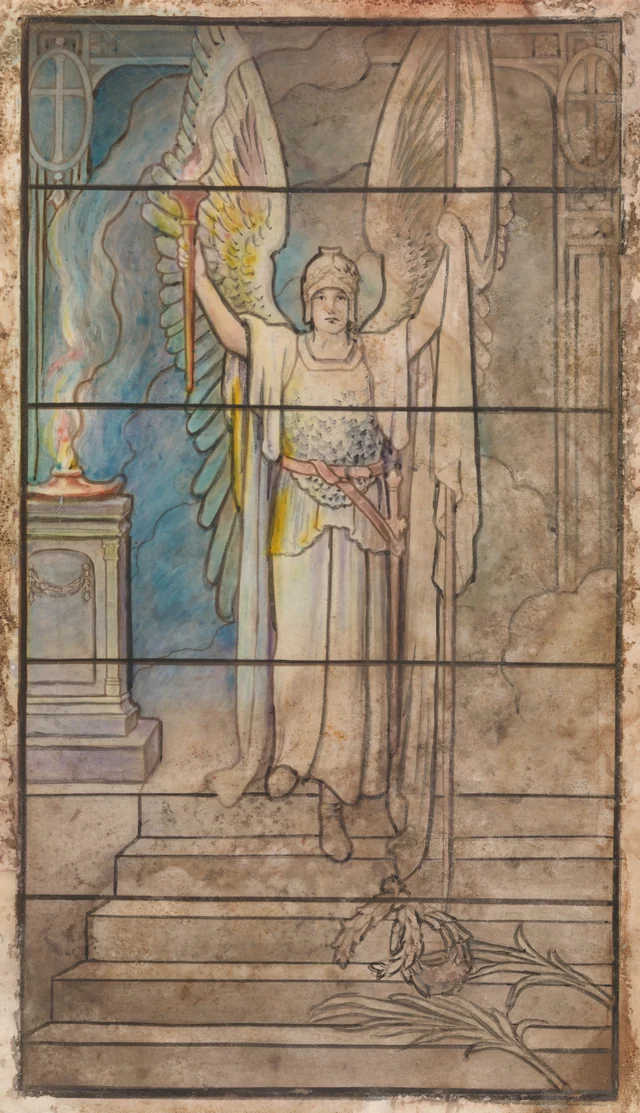
Colored window design showing a winged figure holding a torch, with dark horizontal and vertical divisions crossing the composition.
Look at how a surface is divided. →

Design for window · Late 19th–early 20th century
Louis C. Tiffany · The Metropolitan Museum of Art

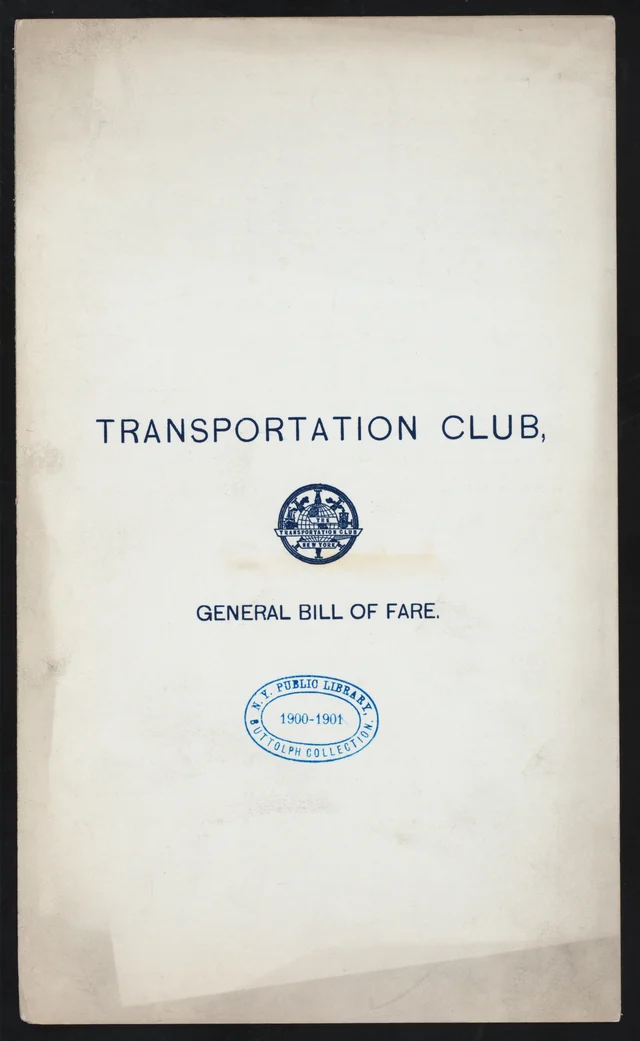
Cream menu cover with widely spaced blue Transportation Club lettering, a small circular club seal and General Bill of Fare beneath.
Read a menu as a record of everyday life. →

Transportation Club: cover · 1900
Designer unrecorded · The New York Public Library

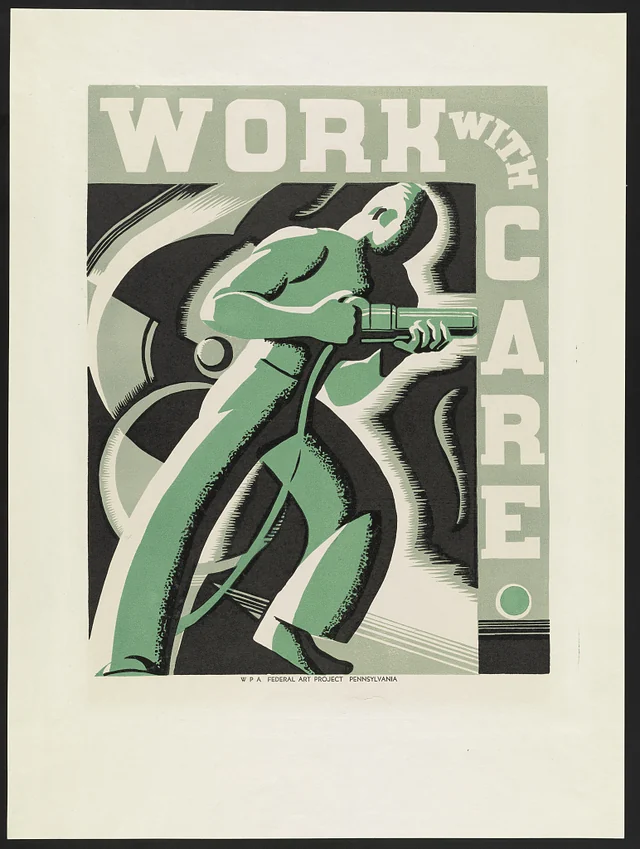
Green, black and cream woodcut poster of a worker holding a riveter, with large WORK lettering across the top and CARE down the right side.
Notice how an image directs attention. →

Work with care · 1936 or 1937
Robert Muchley · Library of Congress

Read an image as evidence

Begin with what is visible: arrangement, marks, materials, scale cues and missing detail. Then read the collection record. A drawing may show an intended design; a photograph records a particular view; a scientific plate selects features for a purpose.

In a stair image, for example, you can compare the rhythm of the balusters and the route of the handrail. The image alone cannot tell you how the stair feels to use or whether it was built exactly as drawn. Keep those questions separate, and compare another view when one is available.

Continue in the collections

These links take you to the institutions themselves. The suggestions below are invitations to explore, not a list of required reading.
01 · Art, architecture & material culture

Getty Open Content ↗

A starting point for looking closely at artworks and the ways people have depicted their surroundings.

Try a familiar material or object. What can its treatment in an artwork tell you about how people valued it?

Look for the Open Content or CC0 designation on the individual image record.

02 · Objects, ornament & design

The Metropolitan Museum of Art ↗

Explore objects and artworks through their materials, forms and uses.

Search for a vessel, textile or window. Compare two examples: what changes, and what remains useful?

Open Access images are marked OA and released under CC0. Check the record for the image you choose.

03 · Natural history & scientific illustration

Biodiversity Heritage Library ↗

Digitized natural-history books and journals invite close reading of plates alongside the observations they accompanied.

Find a plant you recognize. Compare its leaves, flowers and fruit with the details selected by the illustrator.

Rights vary by publication. Read the book’s copyright information before reusing a page or plate.

04 · Science, culture & human invention

Smithsonian Open Access ↗

An entry into museum collections that connect natural specimens, designed objects and human histories.

Begin with an everyday tool. What does its shape suggest about the task and the person using it?

Use the CC0 designation on eligible assets; other collection materials can have different conditions.

05 · Posters, maps & everyday history

Library of Congress ↗

The Free to Use and Reuse sets offer approachable groups of historical photographs, posters, maps and more.

Choose a street scene or poster. Which small detail reveals something about everyday life at the time?

Start with the Free to Use and Reuse sets, then read the individual item’s Rights and Access information.

Suggest a collection or image →