Skip to content

Explore

Discover a connection you can use.

Start with a material, a field, or an idea. Discover how people in other fields have approached related problems, and what their methods or discoveries might help you understand.

Browse the prepared examples freely. Sign in when you want a response from the Guide or to save your work.

Choose a starting point, then select Reveal a connection.

See what connects

Begin with a connection between two subjects. Open the illustrated study, then compare what the subjects share and where the comparison breaks down. These examples are open to everyone.

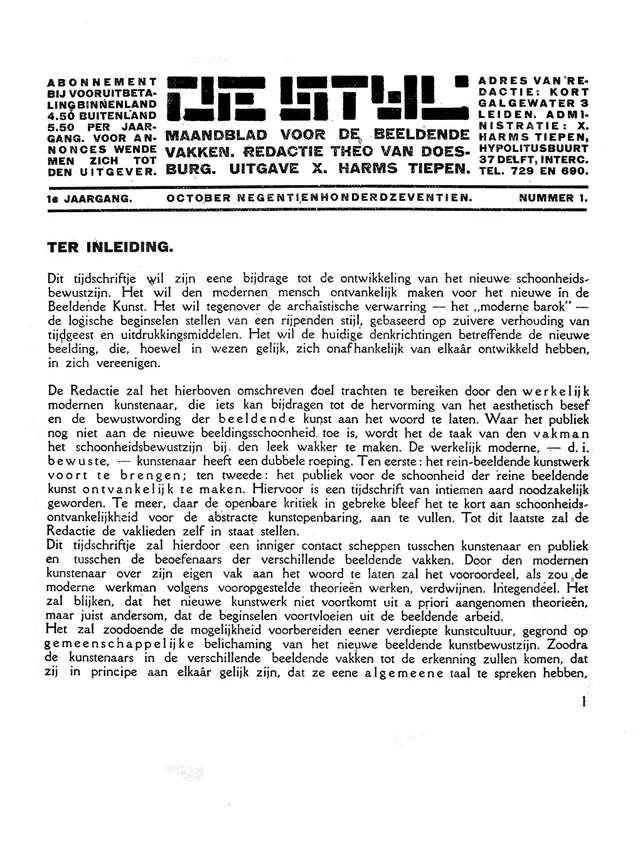
Opening page of De Stijl with a block-letter masthead, small side columns, horizontal rules and a broad column of text.

Theo van Doesburg (text) · University of Iowa Libraries · International Dada Archive · Record · Public domain

A page and a city

Compare how grids organize information and movement. A useful analogy is a starting question, not proof of shared origins.
Open the study
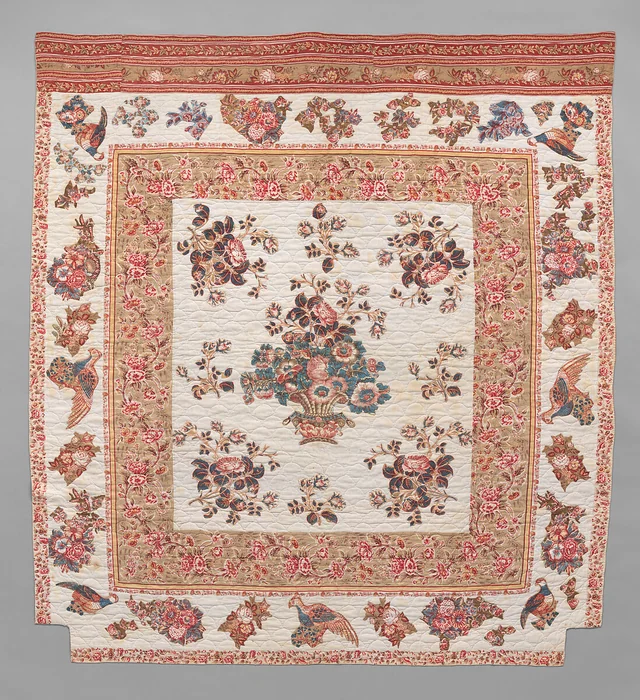
Cream cotton quilt with cut-out printed flowers and birds arranged around a central bouquet, bordered by red floral bands, with cutouts at the lower corners.

Maker unrecorded; probably English · The Metropolitan Museum of Art · Record · Public domain

A quilt and a building

Existing pieces create constraints and possibilities. Compare textile reuse with the decisions involved in reusing building materials.

Open the study
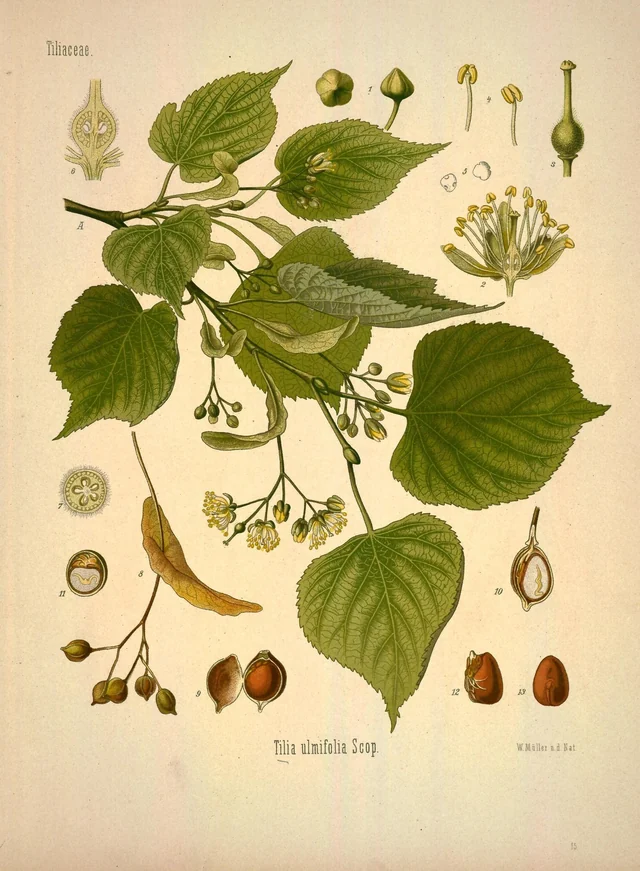
Botanical plate of a linden branch with heart-shaped serrated leaves, hanging flowers, pale elongated bracts and numbered details of flowers, fruit and seeds.

W. Müller (signed on plate); Köhler’s Medizinal-Pflanzen · Biodiversity Heritage Library · Missouri Botanical Garden · Record · CC BY 2.0

Shade and hospitality

A place to pause can begin with a tree or a room. Look at how settings make people comfortable and welcome.

Open the study

A worked comparison · prepared example

What can a page teach us about a street plan?

The shared problem

A page arranges information; a street plan arranges routes and places. Repeated alignments can help people anticipate where to look or move next. Compare the divisions in a printed page with the intersections in a street plan.

What the comparison reveals

Both need distinctions within repetition. A heading marks an important passage; a landmark can make one intersection recognizable. Regularity alone does not tell a reader or pedestrian which destination matters.

Where it stops working

A street also carries traffic, utilities and access to property. Terrain and existing buildings constrain its arrangement. A resemblance to a graphic grid does not establish shared origins or justify changing a neighborhood.

Try the idea

Choose one page and one street plan. Mark the repeated structure, then the features that help you find a destination. Write one useful similarity and one important difference. Keep the comparison specific to those examples.