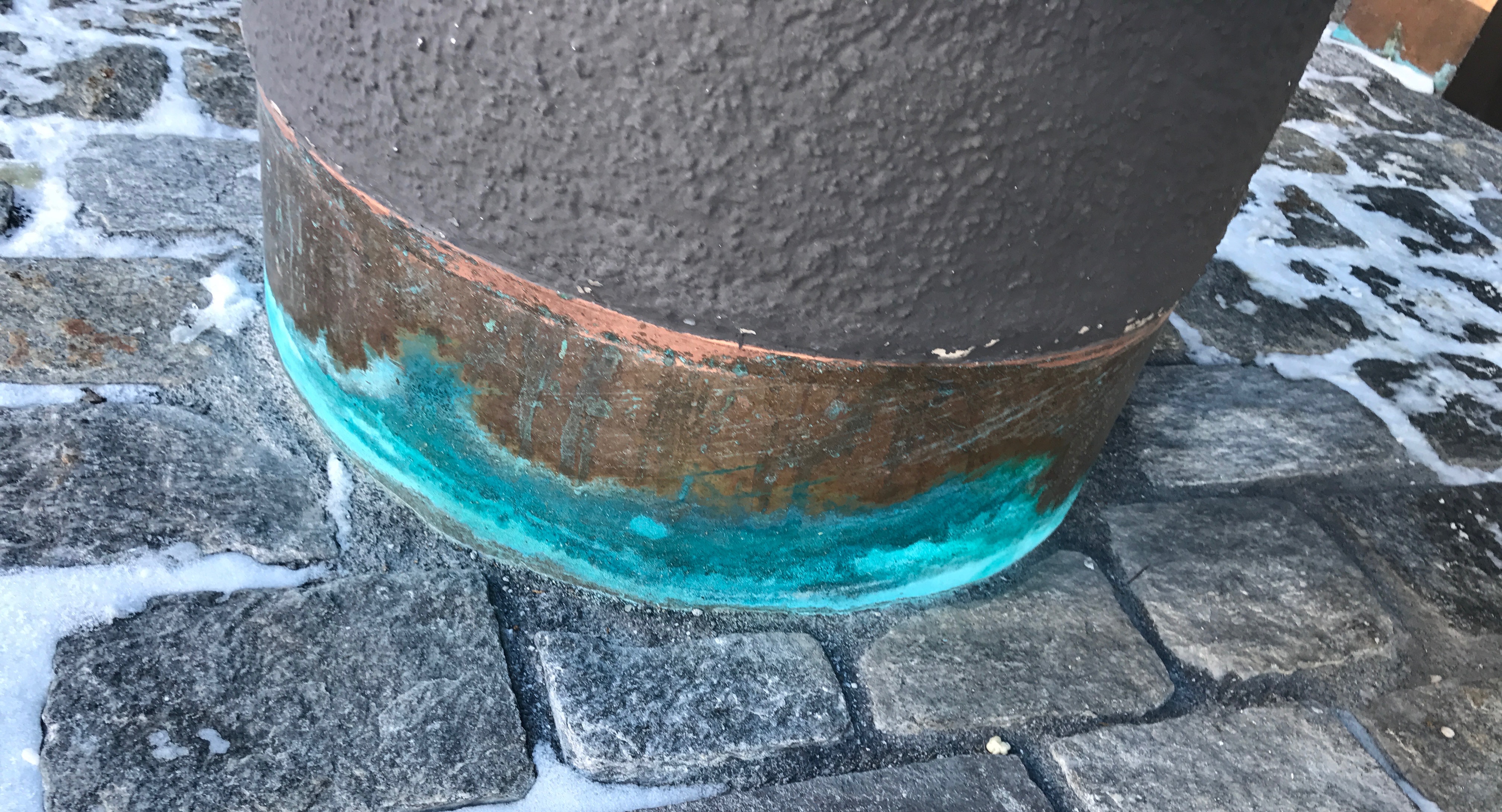
Adrian Michael · Wikimedia Commons · Record · CC BY-SA 3.0
Why does copper change color?
Begin with a surface. Compare appearance, exposure and the evidence needed to explain change.
Investigate
Ask about a material, method, place, or idea. Browse related studies and references, develop a guided reading, and keep what helps you think further.
Examples and follow-up questions fill the box. Related resources appear as you type; the button requests a guided reading.
Topics, images, study activities, learning sequences and references appear below as you type and are free to browse. Requesting a reading and saving your work require sign-in.
Begin with something you want to explain. Open a study for context, or use a question to find related material. These examples are open to everyone.
Adrian Michael · Wikimedia Commons · Record · CC BY-SA 3.0
Begin with a surface. Compare appearance, exposure and the evidence needed to explain change.
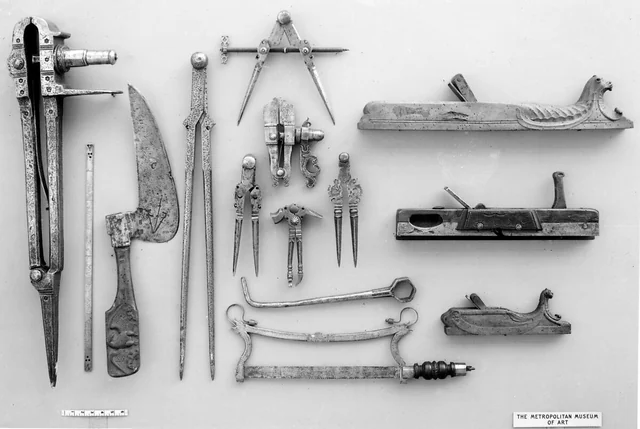
Makers unrecorded; vise possibly German · The Metropolitan Museum of Art · Record · Public domain
Look at a join or patch as a clue to use, care and earlier decisions.
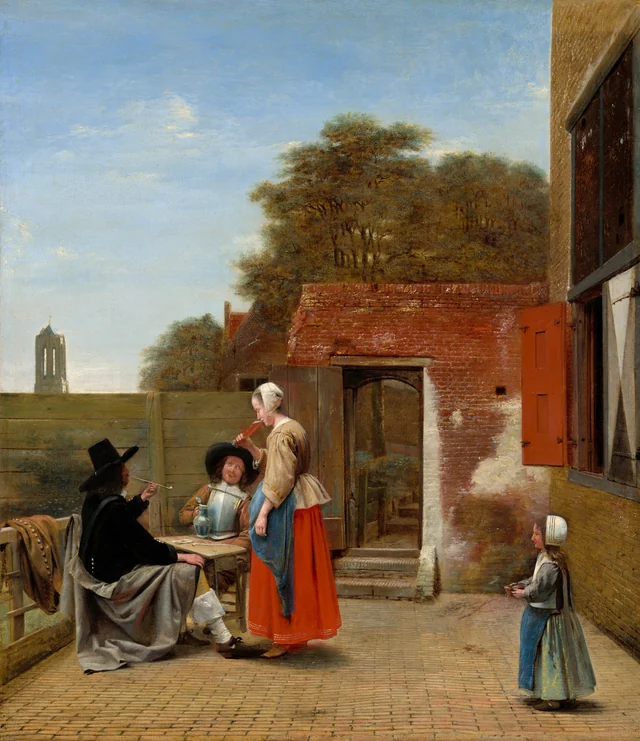
Pieter de Hooch · National Gallery of Art, Washington · Record · Public domain
Consider shade, privacy, movement and the people who share a space.
A worked investigation · prepared example
A rectangle of brick differs in color and pattern from the surrounding wall. Describe what you can see before explaining it.
Was there once an opening here, or was damaged masonry replaced? Both are possibilities; appearance alone does not settle the question.
Compare dated photographs, plans and repair records. Note which evidence supports an explanation and which details remain uncertain.
Look at restoration drawings: how do they distinguish surviving fragments from reconstructed patterns? Bring that question back to the wall.