Make sense of a garden
Compare two routes through a small garden. Consider where to pause, what is visible and how planting changes the experience.
Try the garden activity →A place for curiosity and understanding
Explore the knowledge behind everyday places, objects, and practices. Follow your curiosity through art, science, history, nature, and the things people make and do.
A field of interest
Explore its materials, history, human experience, and enduring questions.
EnterYour curiosity
Begin with an archival image and discover the subject behind it.
EnterBrowse topics, all eight of their prepared perspectives, and illustrated studies without an account. Sign in for further exploration with the Guide, saved readings and collections.
Inside the learning library
The Learned Environment is an online, self-directed learning library from Crafted Tools. It connects art, science, history, nature and human practices through illustrated topics, prepared readings, observation activities and institutional references. Students, teachers, practitioners and curious readers can use it to understand a subject, compare approaches and develop their own questions.
These counts describe the prepared library, not enrolled learners or completed courses. Topics offer eight perspectives; sequences connect three activities with a worked example, a tangible outcome, a worksheet and a next step.
Prepared readings and activities are free to browse without an account. Sign in for the optional AI Guide, a private Notebook and saved Collections. This is independent learning, not an accredited qualification or an employee performance-management platform.
For everyday curiosity, too
The Learned Environment is for students, teachers, working practitioners and anyone curious about the places, objects and routines around them. Begin with something familiar; no specialist vocabulary is required.
Compare two routes through a small garden. Consider where to pause, what is visible and how planting changes the experience.
Try the garden activity →Look at a menu and notice how headings, grouping and spacing help someone find what they need.
Study a menu →Describe an observation before explaining it. Compare your account with someone else’s and identify what still needs evidence.
Follow the observation sequence →These prepared starting points do not require an account or a question submitted to the Guide. Read on screen or download a worksheet to work on paper.
An illustrated way in
Study an original drawing, a botanical plate, or a historical menu. Follow the details into questions about making, observing, and living.
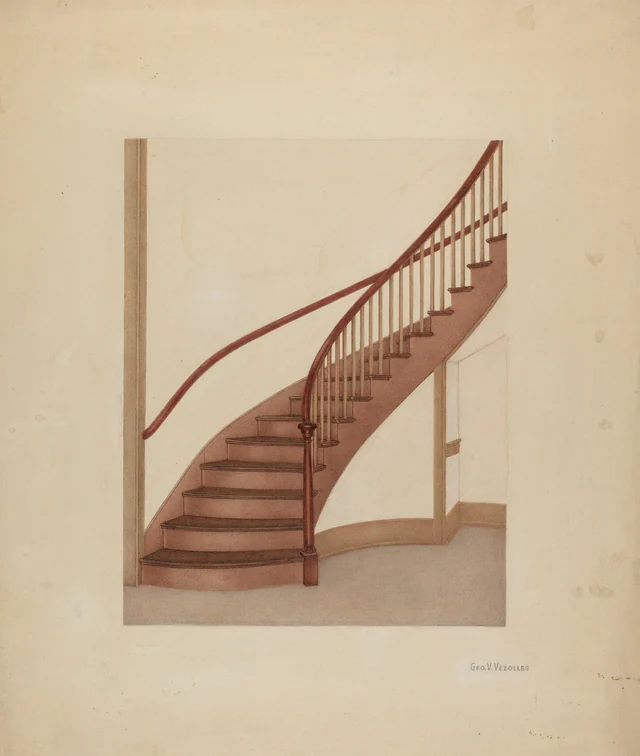
Built Environment
Follow the handrail as it curves upward, then look at the repeated uprights beneath it. The drawing makes the relationship between a continuous curve and many separate pieces easy to study.
George V. Vezolles · National Gallery of Art · Public domain
Explore the topic →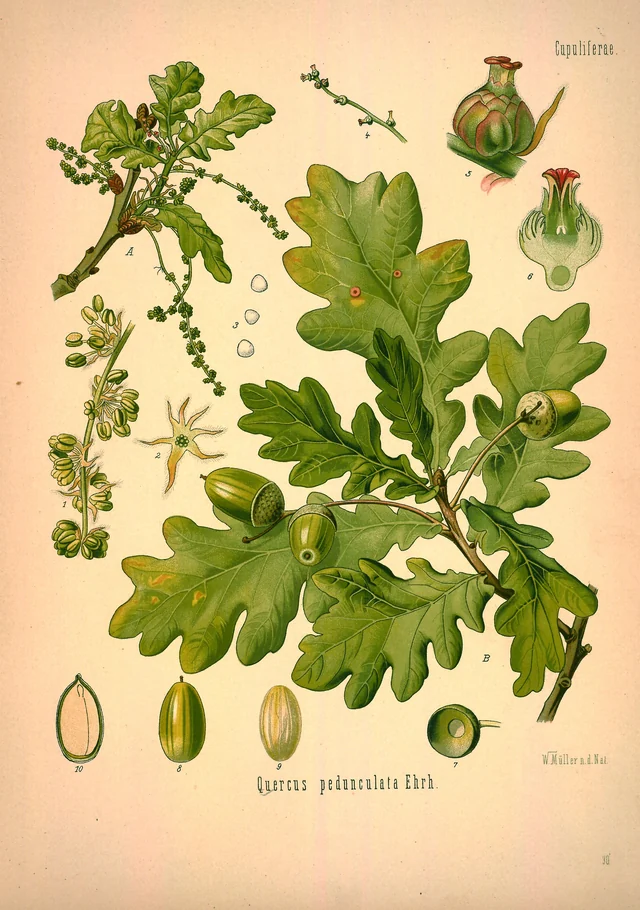
Conservation
Compare the leafy branch with the smaller, numbered studies around it. The parts are shown at different scales to make their structure visible. The plate retains its historical name, Quercus pedunculata; it records selected features rather than the full context of a living tree.
Köhler’s Medizinal-Pflanzen, plate 30 · Missouri Botanical Garden · Biodiversity Heritage Library · Public domain
Explore the topic →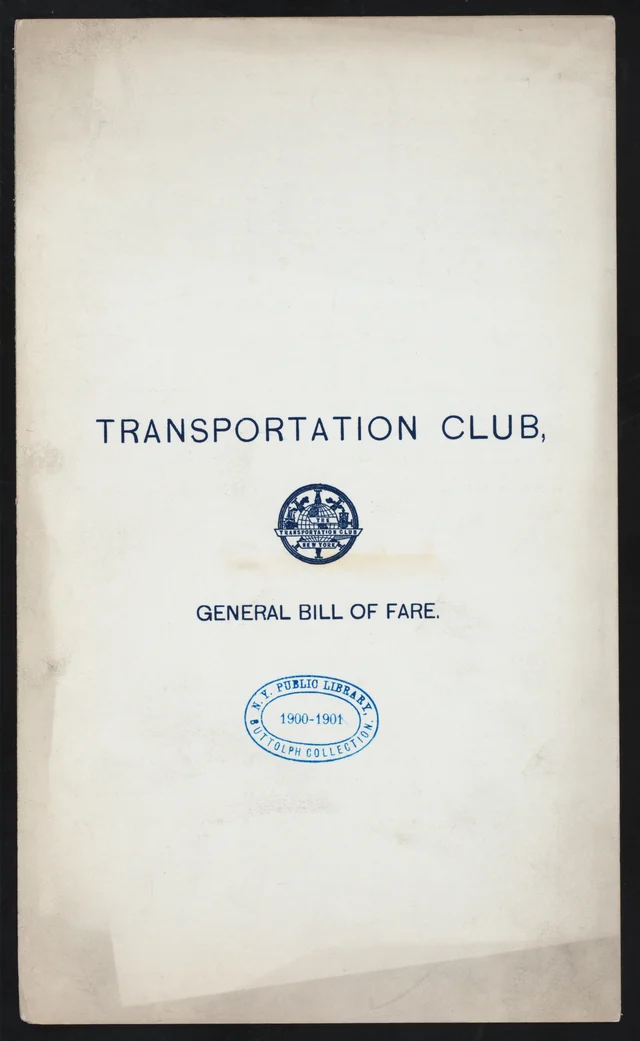
Hospitality
The cover establishes identity with a few centered elements and generous space. Compare its quiet hierarchy with the dense list of choices inside.
Designer unrecorded · The New York Public Library · Public domain (United States)
Explore the topic →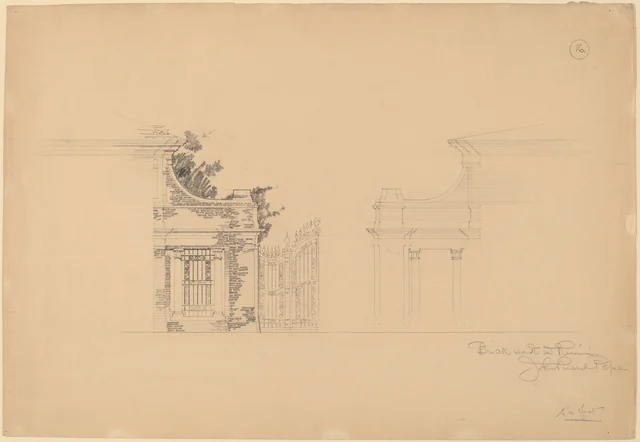
Built Environment
Compare the textured drawing at left with the outline at right. One records the visible surface; the other makes the profiles and proportions easier to isolate.
John Russell Pope · National Gallery of Art · Public domain / CC0
Explore the topic →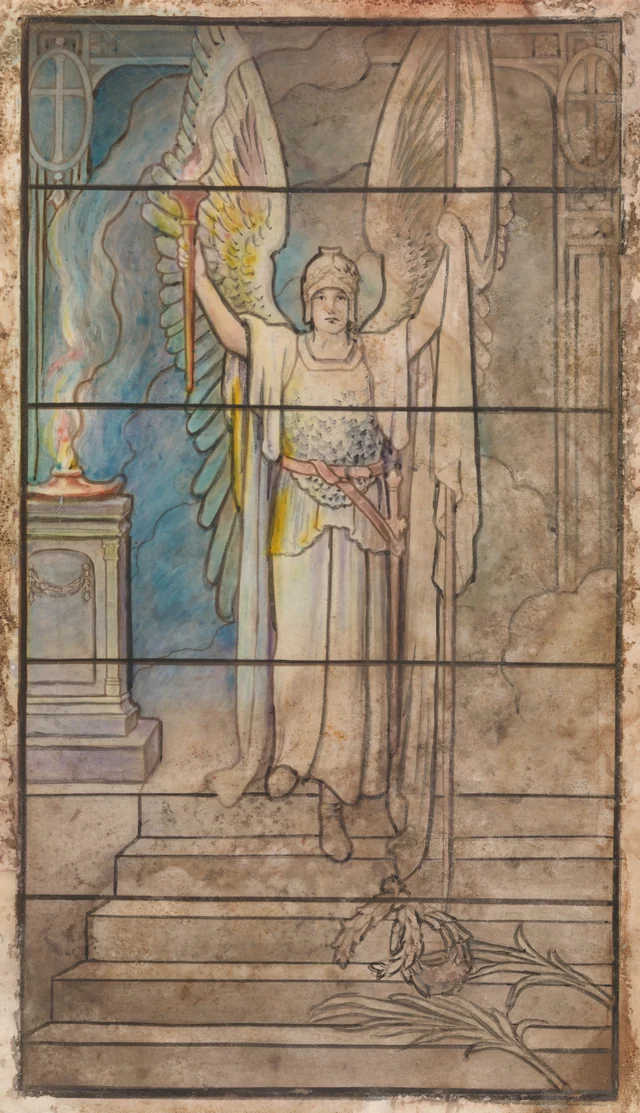
Built Environment
Look at where the dark divisions cross the figure, wings and steps. The drawing asks us to read both an image and a divided surface. It is a proposal on paper, rather than a photograph of installed glass.
Louis C. Tiffany · The Metropolitan Museum of Art · CC0
Explore the topic →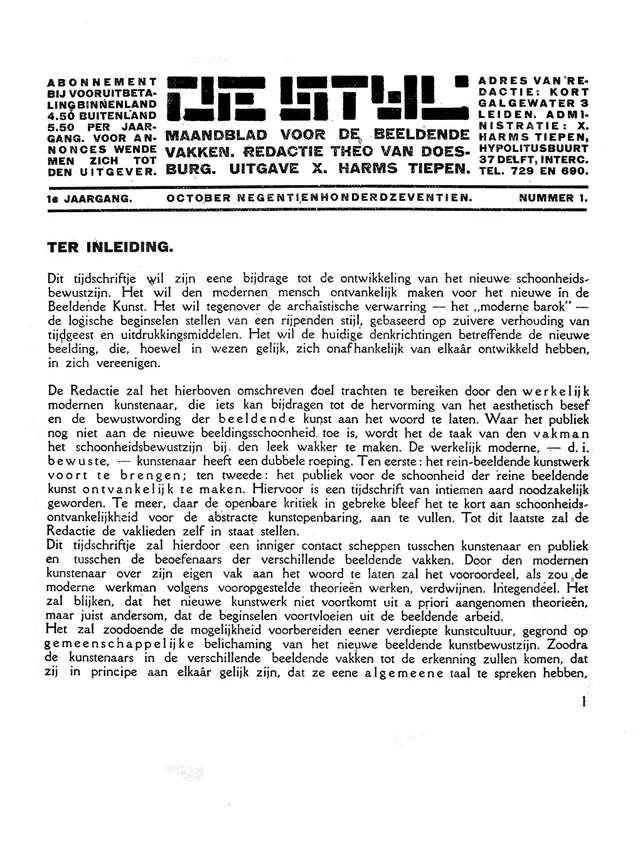
Graphic Design
The masthead divides information into aligned blocks, while the article below uses one broad column. Trace the shared edges to see how different zones remain part of one page.
Theo van Doesburg (text) · University of Iowa Libraries · International Dada Archive · Public domain
Explore the topic →Start with real work
Your immediate question may be about zoning or a site. It can also lead to the history of the neighborhood, the life of its streets, the materials you choose, and the people who will use the building.
What is already here? Look at how streets, buildings, and everyday routines shape the neighborhood.
Explore the neighborhood →How have others handled light, privacy, shared space, and climate? Investigate a courtyard as one approach.
Explore the courtyard →A stair is construction, movement, and daily experience. Compare drawings, then consider the questions they raise for your project.
Study the stair →These are starting points for learning. Project-specific zoning and approvals still require current local sources and qualified advice.
Save useful readings, add your own observations, and organize material into collections for a project or a class. Return to your questions as your understanding develops.
Featured compendium · the practice of Building
How buildings and public spaces work.
Explore how materials, climate, construction, and everyday use shape buildings and public spaces. Learn from earlier approaches and examine the tradeoffs behind design decisions.
Open the compendiumRecently opened readings in this browser. Saved notes and collections are shown above.
Readings you open will appear here so you can return to them.