Skip to content
Conservation

A topic from several perspectives

Apply this topic to your work →

The Specimen

Explore the specimen through the perspectives below. Compare their examples and tradeoffs, then connect what you learn to your own work.

Illustrated study

Recording the whole and its parts

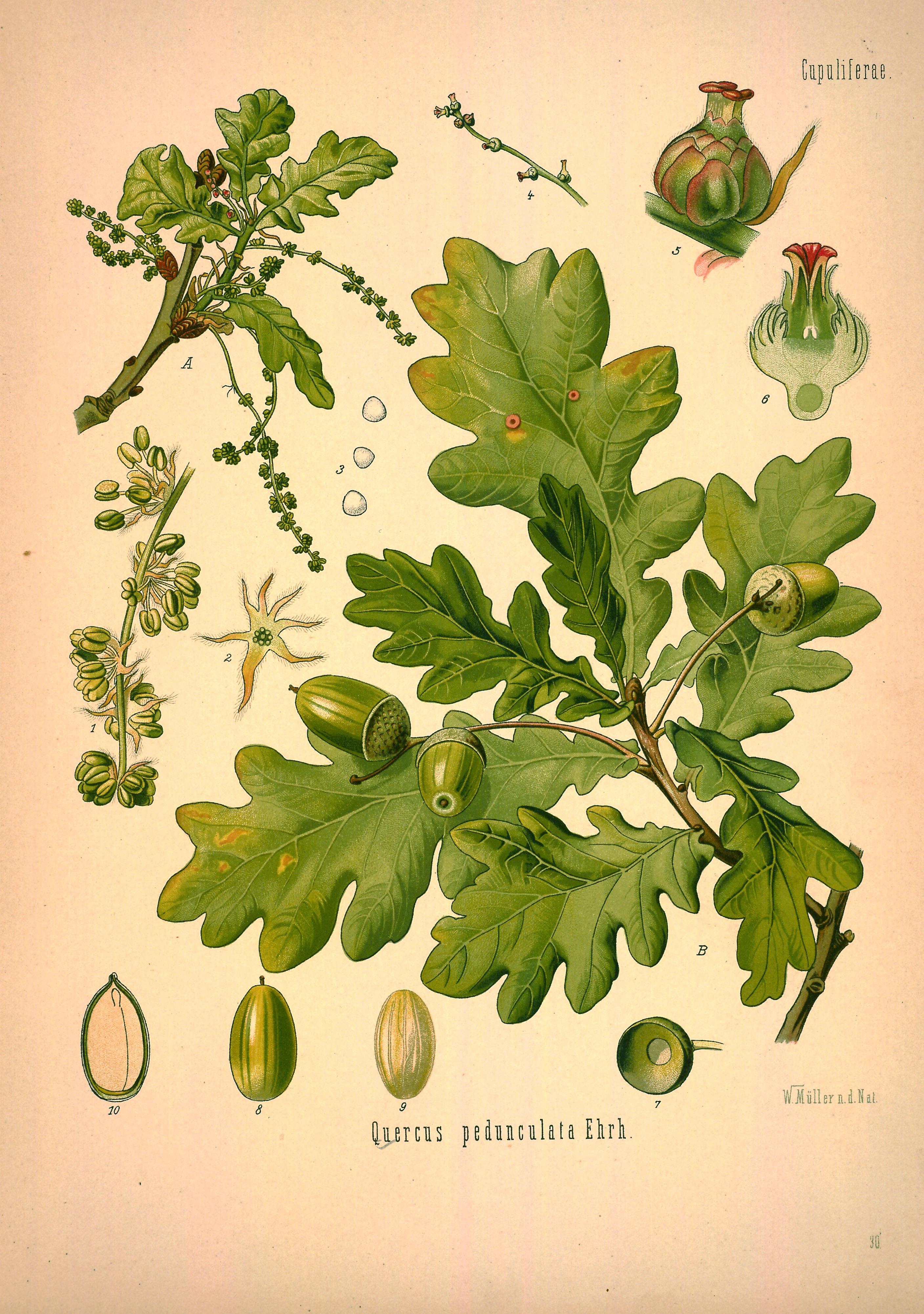
A botanical plate brings several kinds of observation onto one sheet.

Colored botanical plate of an oak branch with lobed leaves and acorns, surrounded by numbered flower and fruit details.

Figure 1 · 1887

Oak: branch and botanical details

Compare the leafy branch with the smaller, numbered studies around it. The parts are shown at different scales to make their structure visible. The plate retains its historical name, Quercus pedunculata; it records selected features rather than the full context of a living tree.

Köhler’s Medizinal-Pflanzen, plate 30 · Missouri Botanical Garden · Biodiversity Heritage Library
Rare Books Collection · BHL page 303622 · reproduction via Wikimedia Commons

View full size ↗Download image
Collection record and reuse rights

Display copies are resized and compressed. Source and license links apply to the image above.

Explore more museum and archive collections →

Conservation · The Specimen

Keep context with the object

Study a public specimen record or an invented example. Focus on the information that allows a later reader to interpret it.

Try this

List the recorded source, date, identification and uncertainty. Do not collect or handle specimens for this exercise.

Reflect

Which missing field most limits what can responsibly be concluded?

Take it further · optional follow-up

Temporarily hide one field in your invented record. Explain how the missing context limits interpretation, then restore it and compare the accounts.

Compare with another activity · Conservation

The Archive: Describe how something can be found →

This opens a separate activity. Use Back to return to your sequence.

Prepared study prompt · not an editor-reviewed research article

Explore the perspectives

The eight prepared perspectives below are open to everyone. Sign in for expanded readings, a private notebook and collections.

Sign in for a deeper reading and notebook →

Historical

How did this evolve, and why has it endured?

Scientific specimens have been collected and classified under changing systems of knowledge. Older labels may preserve valuable observations while reflecting outdated names or incomplete provenance.

A specimen can acquire a new identification while its original label remains important evidence. Preserve the sequence of identifications, who made them and when. Replacing the old name without a record can erase the history of how the collection was understood.

Ecological

How does it meet the living world?

Specimens can document past biodiversity and environmental conditions. Their value increases when collection location, date and method are recorded accurately.

Ethical

What responsibilities does this practice carry?

Collecting and displaying specimens involves legal, cultural and ecological responsibilities. Sensitive locations and the origins of human-related material may require restrictions.

Material

What is it made of, and why does that matter?

Preservation methods differ for plants, minerals, animals and other specimens. Storage and handling must respond to the material and the purpose of the collection.

Cultural

How have different societies approached this?

Collections reflect choices about what was considered worth preserving. Interpretation should acknowledge the histories of collectors and communities as well as the object itself.

Human

How do people actually experience this?

A specimen label allows future researchers to evaluate an identification and its context. Missing data can sharply limit what an otherwise beautiful object establishes.

A carefully preserved leaf without a collection date or location can demonstrate form, but it cannot establish where or when that plant grew. Read the label and object together. State which questions the surviving information can answer and which remain unresolved.

Debates

Where do thoughtful practitioners disagree?

Digital records and imaging widen access but do not always replace examination of physical material. Destructive sampling raises additional questions about future research value.

Future

Where might this be heading?

Reidentification, digitization and improved provenance can give old collections new research uses. Their long-term value depends on continued stewardship.