Skip to content
← Learning guide

The Window

← Back to study results
Other download formats

Illustrated study

A window planned on paper

A design drawing shows how an image meets the divisions of a window.

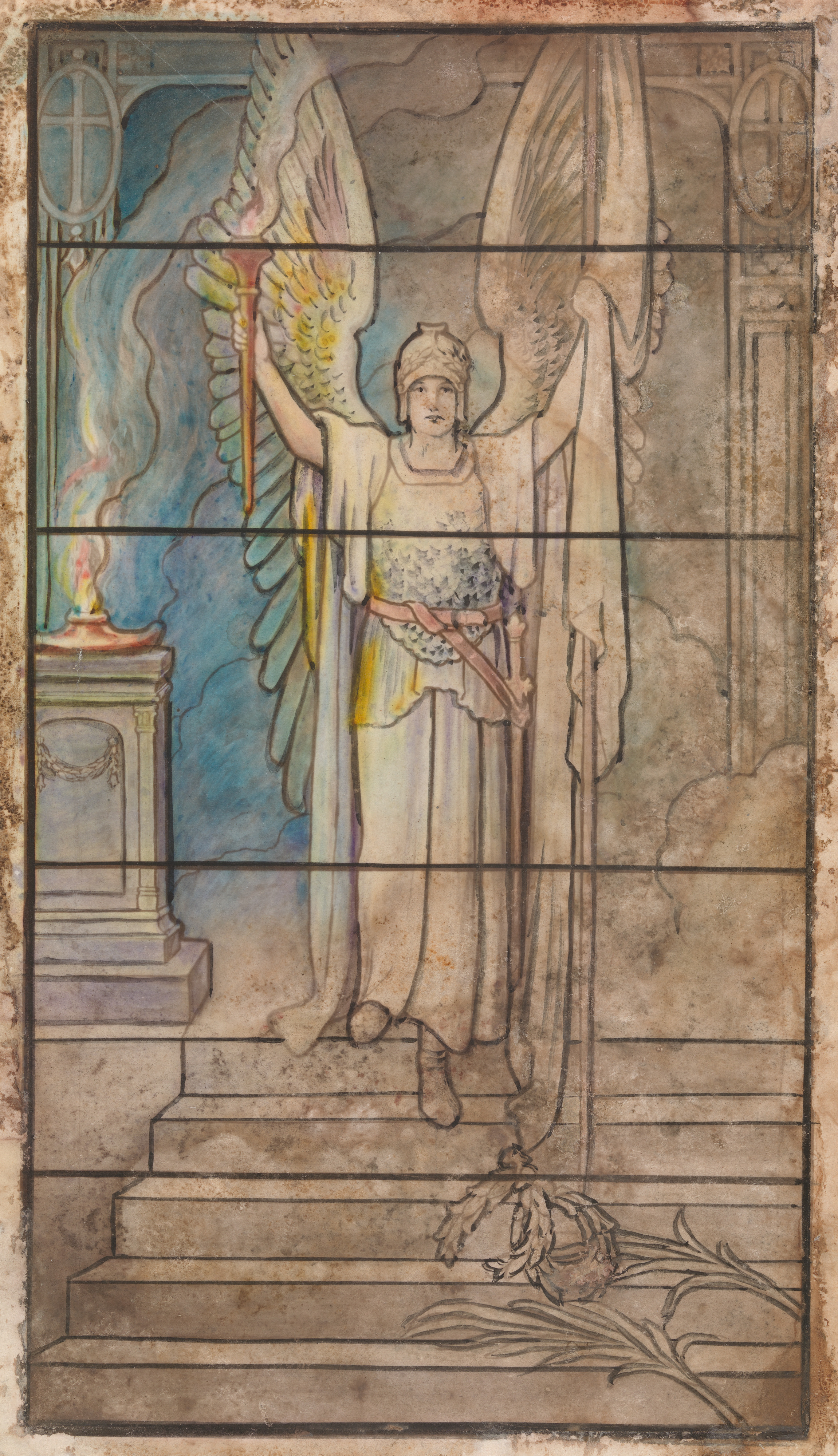
Colored window design showing a winged figure holding a torch, with dark horizontal and vertical divisions crossing the composition.

Figure 1 · Late 19th–early 20th century

Design for window

Look at where the dark divisions cross the figure, wings and steps. The drawing asks us to read both an image and a divided surface. It is a proposal on paper, rather than a photograph of installed glass.

Louis C. Tiffany · The Metropolitan Museum of Art
Purchase, Walter Hoving and Julia T. Weld Gifts and Dodge Fund, 1967 · 67.654.75

View full size ↗Download image
Collection record and reuse rights

Display copies are resized and compressed. Source and license links apply to the image above.

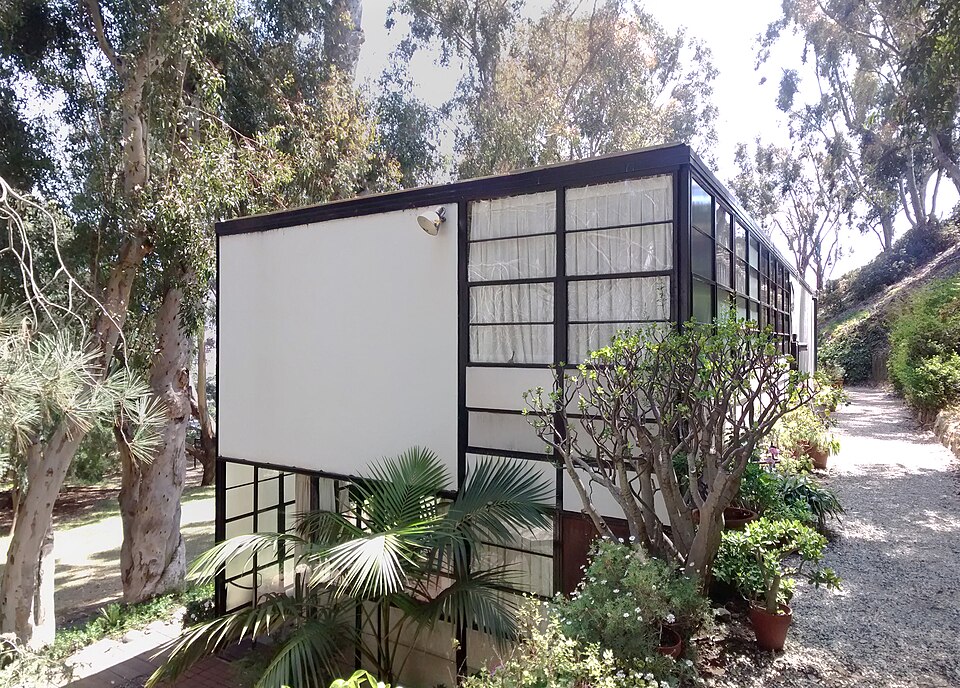
Eames House in Pacific Palisades, showing its black structural grid, translucent and glazed panels, pale solid infill, and surrounding trees.

Figure 2 · House completed 1949; photograph 2014

Eames House (Case Study House No. 8), glazed exterior

Compare the Tiffany drawing with the Eames House, completed in 1949. Here a repeated frame organizes clear and opaque panels across a residential facade. Look for where the grid stays regular and where the enclosure changes. This exterior photograph records the building in 2014; it cannot by itself establish the original construction details or the experience of its interior.

Gunnar Klack (photographer); house designed by Charles and Ray Eames · Wikimedia Commons
Photograph by Gunnar Klack, 2014 · CC BY-SA 4.0 · unmodified

View full size ↗Download image
Collection record and reuse rights

Display copies are resized and compressed. Source and license links apply to the image above.

Explore more museum and archive collections →

Built Environment · The Window

Compare views and conditions

A window offers several questions at once: what is seen, what is screened and how the room is experienced. Study a particular example before generalizing.

Try this

From indoors, record view, reflections and visible light at two times. Avoid opening or testing unfamiliar fittings.

Reflect

Which impression depends most on time, weather or position?

Take it further · optional follow-up

Make two captions for the same view: one recording visible conditions and one recording your response. Mark where preference enters the second account.

Compare with another activity · Graphic Design

White Space: Give space a specific job →

Prepared study prompt · not an editor-reviewed research article