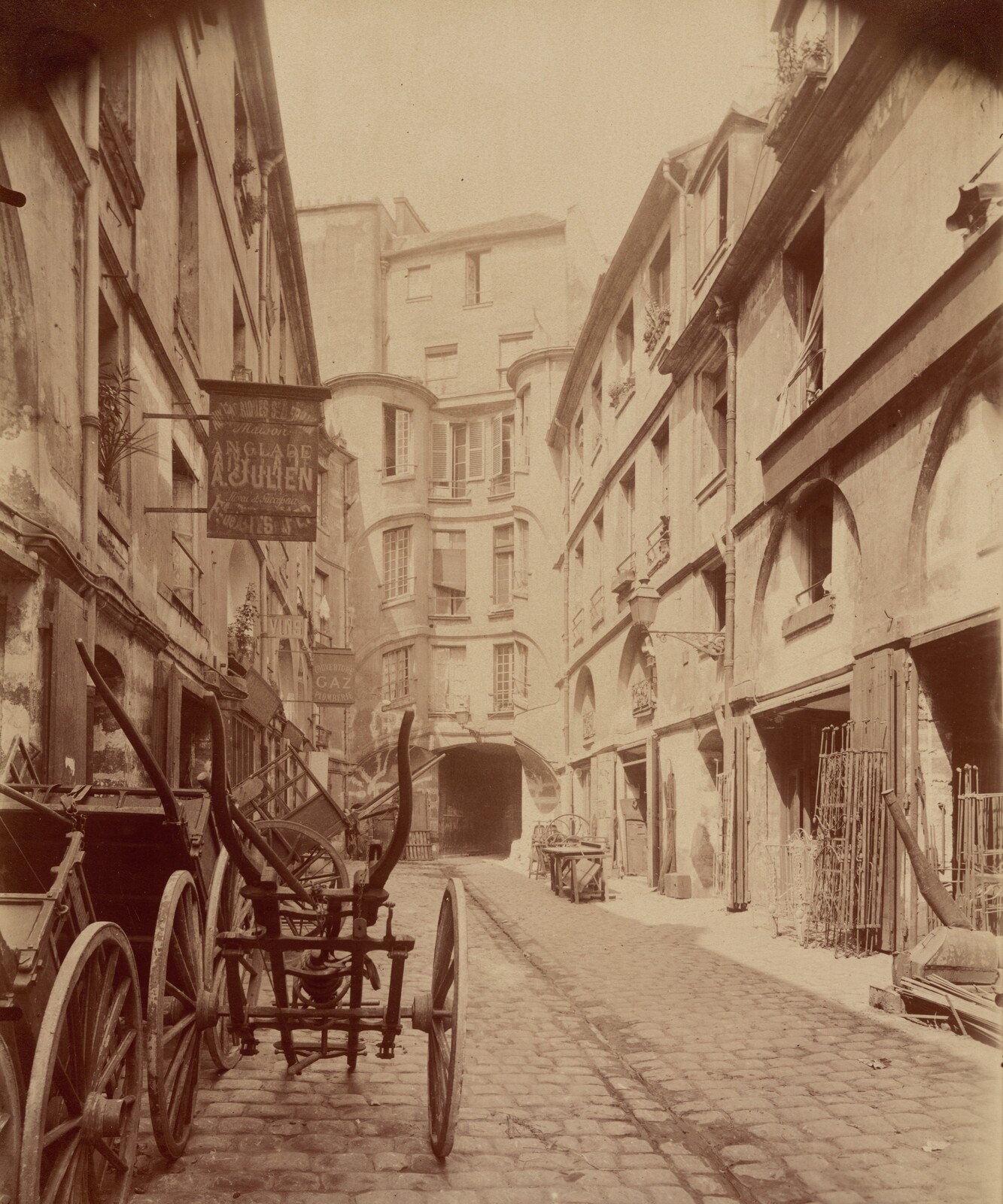
Built Environment · The Street
Map an ordinary journey
Consider a street from the viewpoint of someone completing one everyday trip. Record transitions as well as destinations.
Try this
Sketch a short familiar route and note crossings, signs, waiting places and moments of uncertainty.
Reflect
How might the same route differ for someone with different mobility or sensory needs?
Take it further · optional follow-up
Choose one confusing transition and sketch an orientation cue. Describe what it might clarify and whose experience you would need to understand before evaluating it.
Compare with another activity · Hospitality
The Welcome: Write the next useful sentence →Connect this activity with other subjects
Follow a question through three activities, with a worked example and a worksheet for your observations.
- Consider who can take part →
Look at shared settings from more than one person's position.
This topic is activity 3 of 3.
Prepared study prompt · not an editor-reviewed research article