Skip to content
← Learning guide

The Grid

← Back to study results
Other download formats

Activity 1 of 3

Make information easier to use

Examine how arrangement, wording and feedback guide a person's next action.

Illustrated study

One publication, different page structures

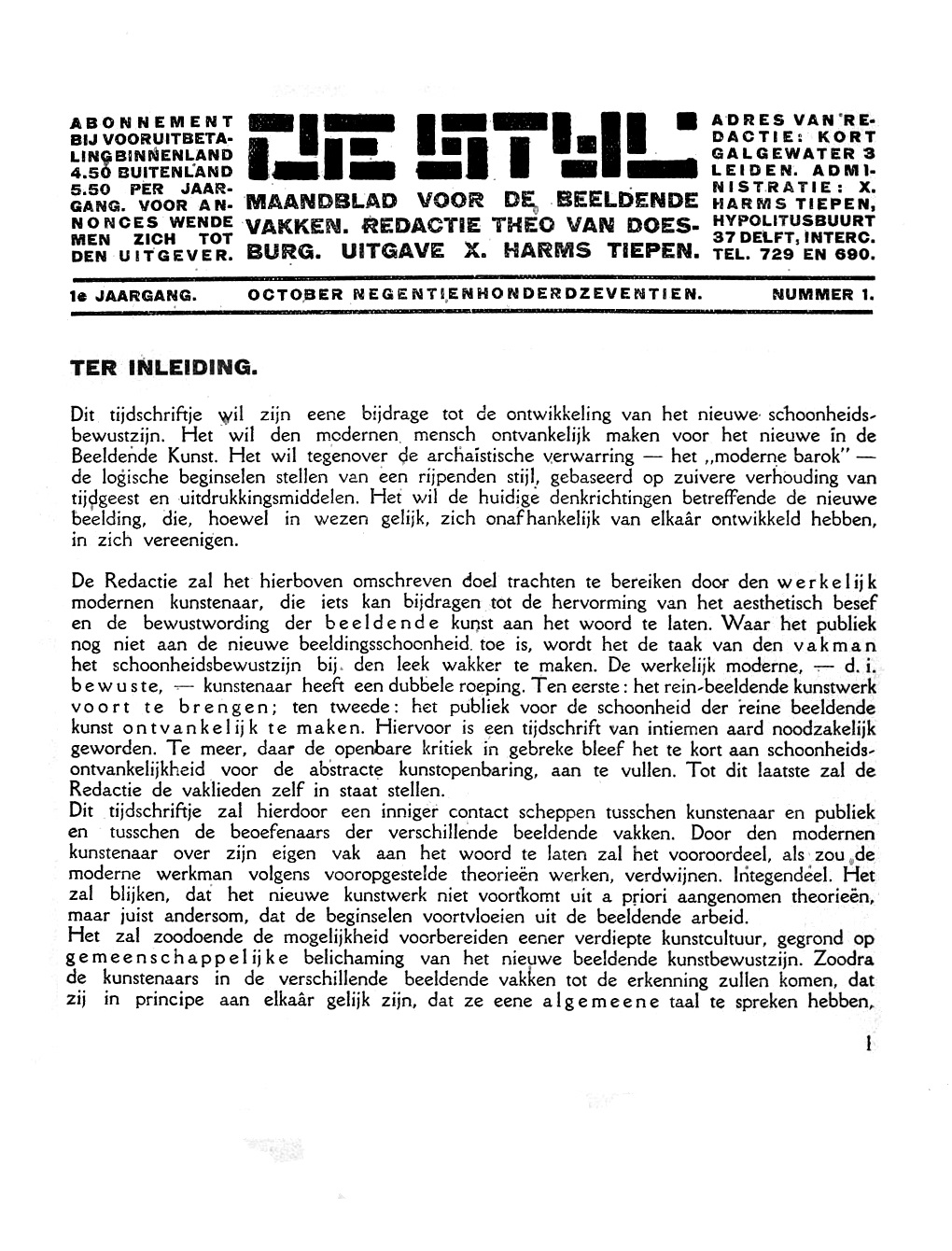
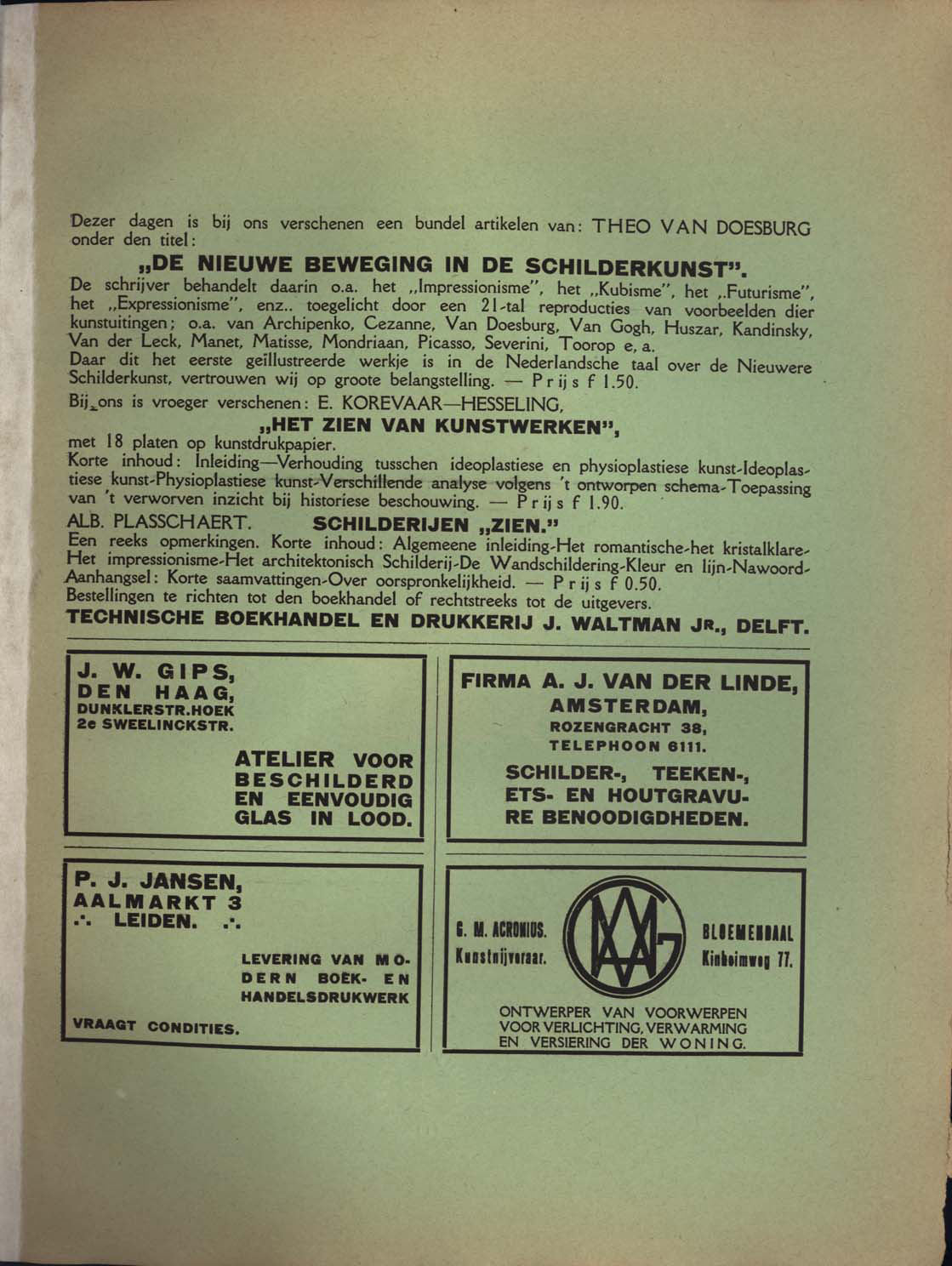
Compare the opening page and advertisements of the same issue of De Stijl.

Opening page of De Stijl with a block-letter masthead, small side columns, horizontal rules and a broad column of text.

Figure 1 · October 1917

De Stijl: opening page

The masthead divides information into aligned blocks, while the article below uses one broad column. Trace the shared edges to see how different zones remain part of one page.

Theo van Doesburg (text) · University of Iowa Libraries · International Dada Archive
De Stijl, vol. 1, no. 1, p. 1 · reproduction via Wikimedia Commons

View full size ↗Download image
Collection record and reuse rights

Display copies are resized and compressed. Source and license links apply to the image above.

De Stijl advertisement page with a wide upper text block and four boxed advertisements arranged in two columns below.

Figure 2 · October 1917

De Stijl: advertisement page

Four advertisements share a two-column structure, but each arranges its type differently. Compare the stable outer divisions with the varied spacing inside them; this is a reading of the page, not a reconstruction of the designer’s original grid.

Designer unrecorded · University of Iowa Libraries · International Dada Archive
De Stijl, vol. 1, no. 1, inside back cover · reproduction via Wikimedia Commons

View full size ↗Download image
Collection record and reuse rights

Display copies are resized and compressed. Source and license links apply to the image above.

Explore more museum and archive collections →

Graphic Design · The Grid

Make the underlying arrangement visible

Choose a page and infer its alignments. Treat your grid as a reading of the design, not proof of the designer's original method.

Try this

Trace columns, margins and repeated alignments. Mark the places that appear to depart from the pattern.

Reflect

Which departure helps communication, and what makes you think so?

Take it further · optional follow-up

Move one element off the traced grid while keeping the content fixed. Explain the reason for the exception and compare the reading order.

Compare with another activity · Education

The Blackboard: Show the development of an idea →

This opens a separate activity. Use Back to return to your sequence.

Explore another study sequence

Follow a question through three activities, with a worked example and a worksheet for your observations.

Prepared study prompt · not an editor-reviewed research article