Landscape · Soil
Separate the surface from the story
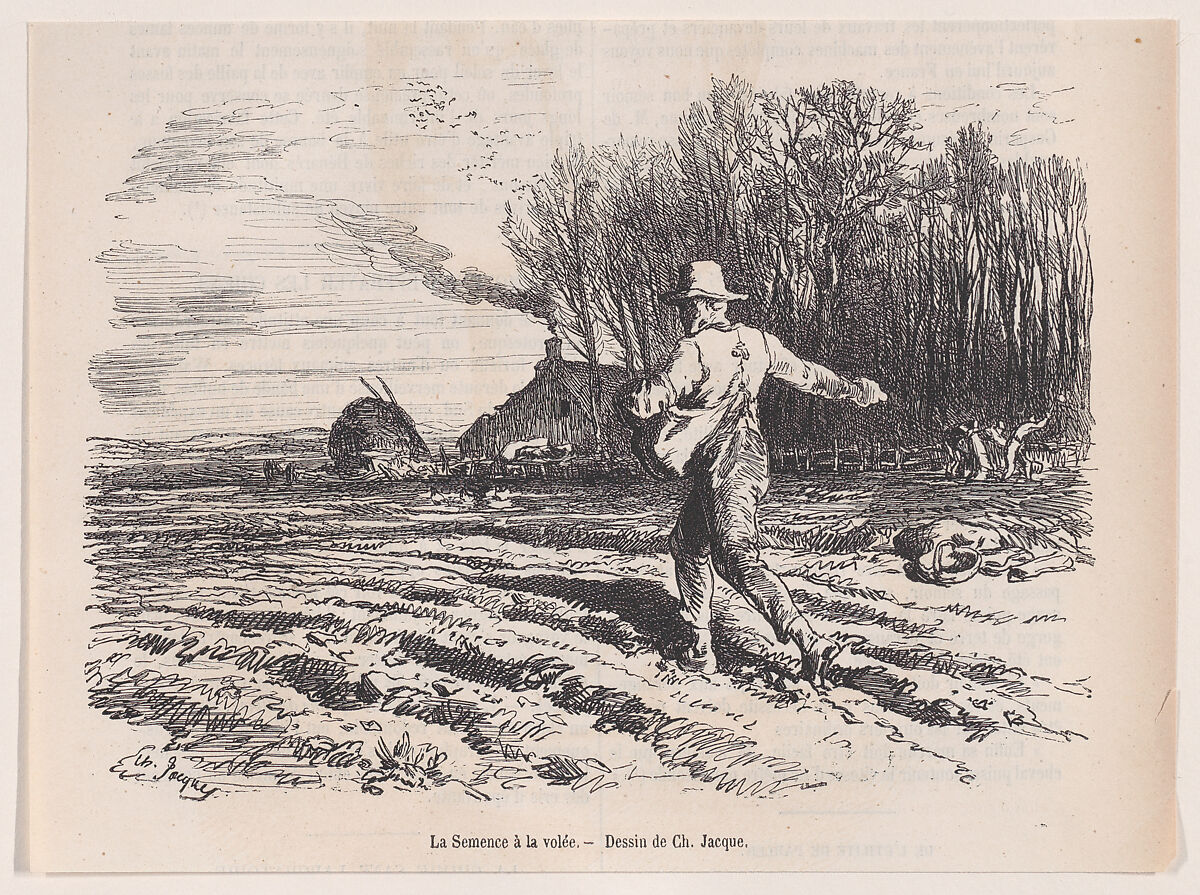
Describe visible texture, cover and signs of disturbance in a place you can observe safely. Keep the description separate from guesses about fertility or drainage.
Try this
Compare two nearby patches using the same descriptive terms. Record shade, recent weather and use of the space.
Reflect
Which explanation would require a soil assessment or a longer record?
Take it further · optional follow-up
Return after different weather and describe the same two patches with your original terms. Mark any changed conditions before suggesting a cause.
Compare with another activity · Conservation
The Field Note: Write for a later comparison →Connect this activity with other subjects
Follow a question through three activities, with a worked example and a worksheet for your observations.
- Describe before you explain →
Practice separating what you can see from what you think it means.
This topic is activity 1 of 3.
Prepared study prompt · not an editor-reviewed research article