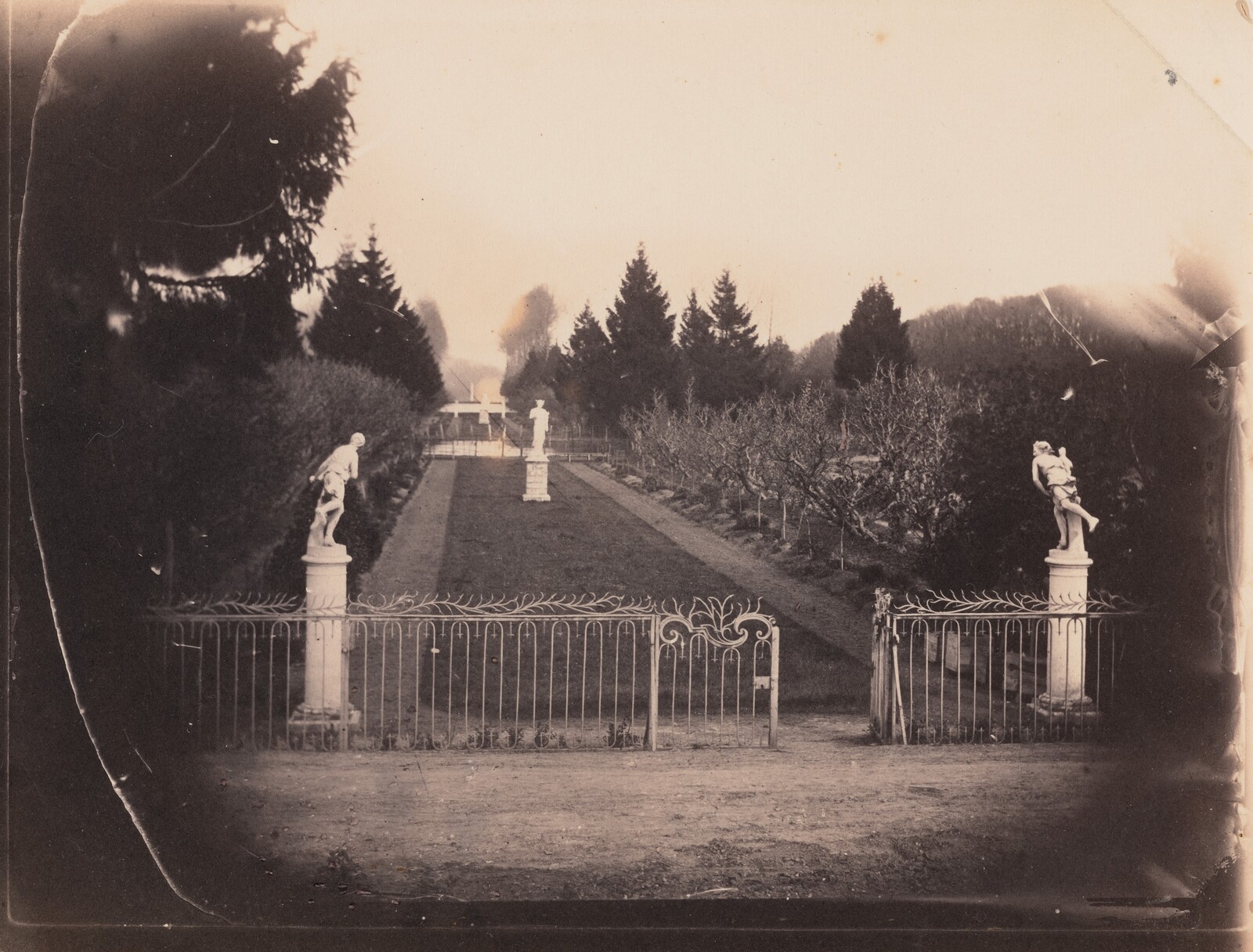
Landscape · The Path
Compare intended and chosen routes
Look at a path as an invitation to move. Its drawn route and the routes people appear to choose may raise different questions.
Try this
Sketch entrances, destinations, worn edges and places to pause. Avoid identifying or tracking individuals.
Reflect
What evidence would distinguish a shortcut from an access problem?
Take it further · optional follow-up
Draw an alternative route to the same destination. Compare distance, decision points and places to rest without assuming every traveler values them equally.
Compare with another activity · Built Environment
The Street: Map an ordinary journey →Connect this activity with other subjects
Follow a question through three activities, with a worked example and a worksheet for your observations.
- Connect a garden to daily life →
Read a garden plan as a setting for movement, rest and the relationship between indoors and outdoors.
This topic is activity 2 of 3.
Prepared study prompt · not an editor-reviewed research article