Landscape · Garden Design
Compose a garden around daily life
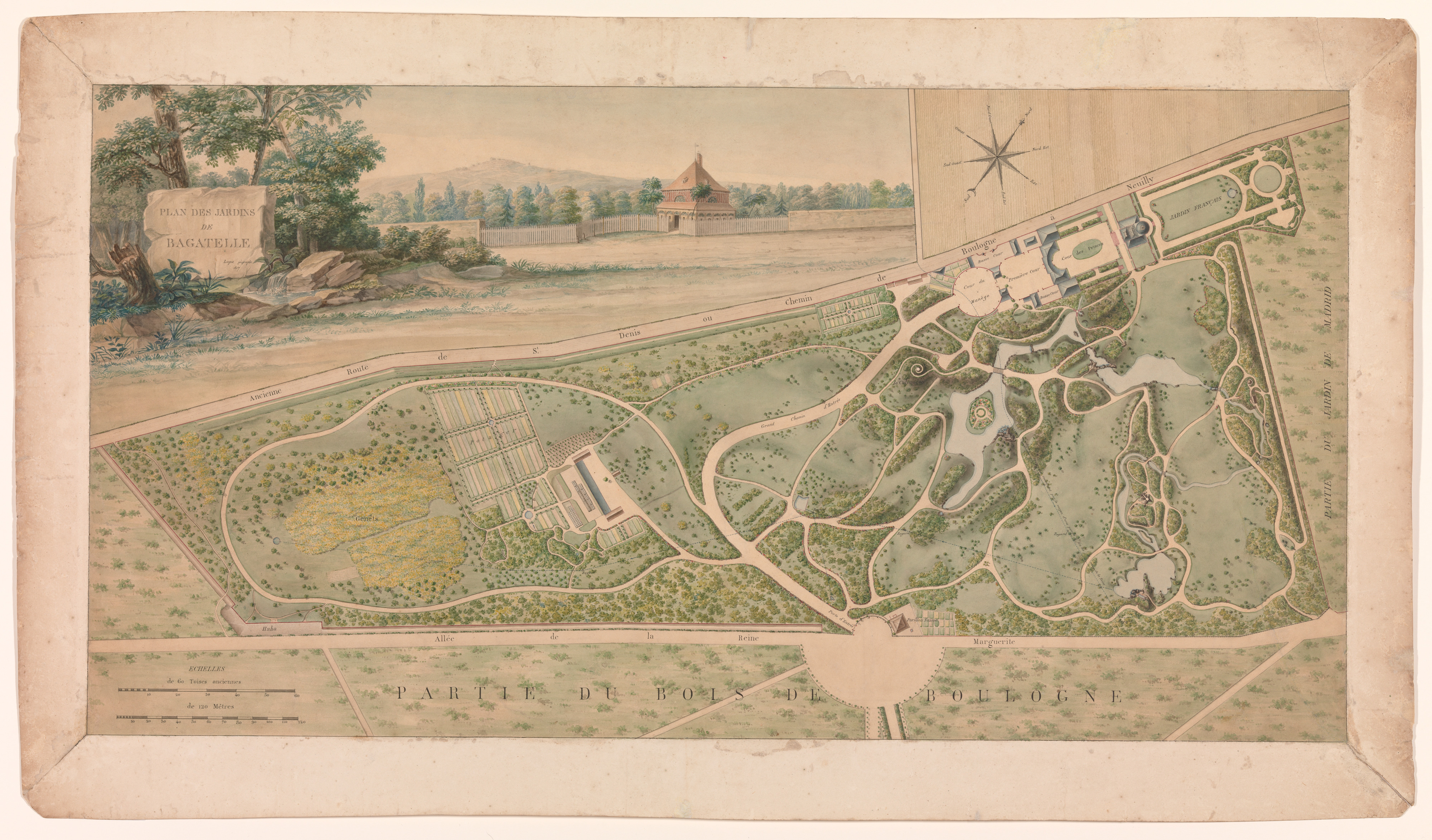
Garden design brings routes, spaces, planting and care into a coherent whole. Start with the place and the people who use it. Compare a bird’s-eye arrangement with the experience of walking, sitting and looking through it; a strong composition must also make room for growth and maintenance.
Try this
Sketch a fictional small garden with an entrance, one place to sit and a planted area. Make two layouts using the same requirements. Mark the main view, route, areas of enclosure and questions about light or water that would need site observations.
Reflect
Which arrangement best supports the intended use, and what will change as its plants grow?
Take it further · optional follow-up
Draw the preferred layout at planting and at maturity. Note which decisions depend on plant size, care time and the changing use of the space.
Compare with another activity · Landscape
Seasonal Change: Make a repeatable observation →Connect this activity with other subjects
Follow a question through three activities, with a worked example and a worksheet for your observations.
- Connect a garden to daily life →
Read a garden plan as a setting for movement, rest and the relationship between indoors and outdoors.
This topic is activity 1 of 3.
Prepared study prompt · not an editor-reviewed research article