Skip to content

Practice

What are you working on?

Describe your project, question, or decision. Get a useful starting point, relevant examples, and approaches to compare. Add your constraints and what you have already tried for a more specific response.

From Hospitality

Add your situation, constraints and what you have already tried before asking the Guide.

Return to this Compendium

Browse the prepared examples freely. Sign in when you want a response from the Guide or to save your work.

Try:

Start with a real situation

Begin with a situation and something you need to decide. Open a study for context, or adapt a task to your own work. These examples are open to everyone.

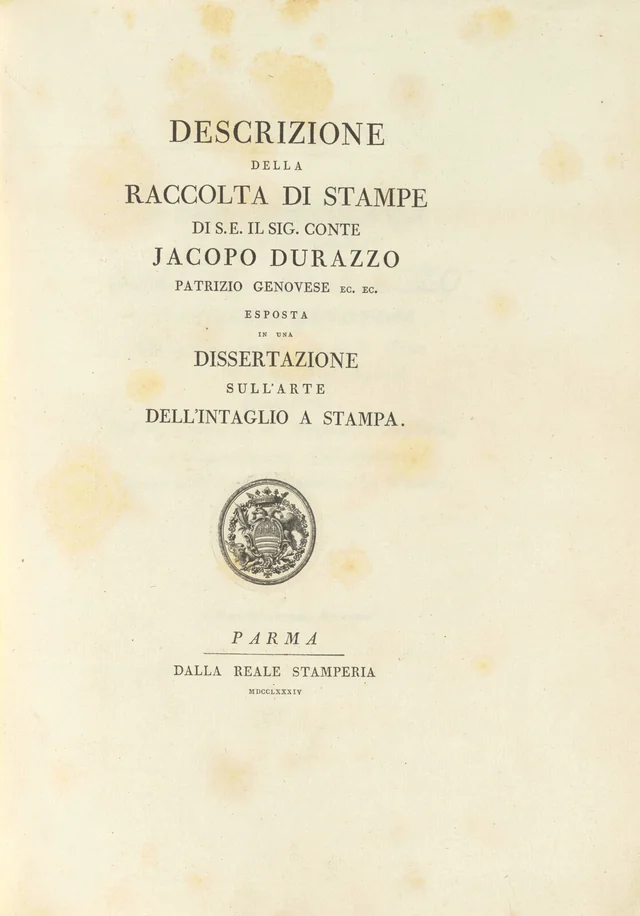
Italian letterpress title page with centered lines of varying sizes, generous margins, a small heraldic emblem and publication details near the bottom.

Bartolommeo Benincasa, author; Giambattista Bodoni, printer; dalla Reale Stamperia, publisher · National Gallery of Art, Washington · Record · Public domain

Make information easier to read

You are preparing a notice. Compare grouping, spacing and emphasis before adding more words.
Open the study
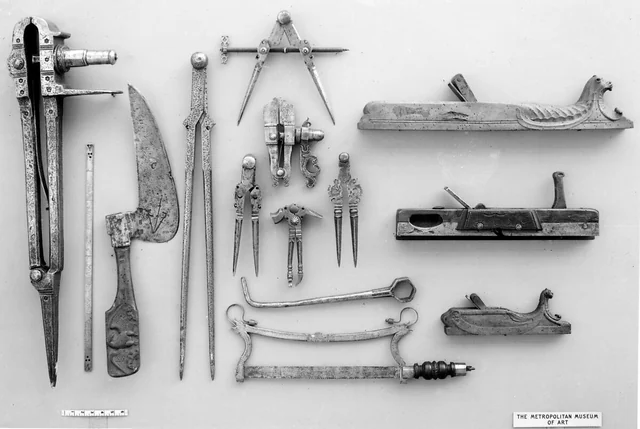
Black-and-white collection photograph of decorated metal tools, including vises, dividers, saws and planes, arranged against a plain background.

Makers unrecorded; vise possibly German · The Metropolitan Museum of Art · Record · Public domain

Understand before replacing

You have inherited an older object. Record its materials, wear and repairs before deciding what to keep or change.

Open the study
A dark still-life painting of oysters, a partly peeled lemon, glassware, a paper cone and an overturned silver vessel arranged on a cloth-covered table.

Willem Claesz Heda · The Metropolitan Museum of Art · Record · CC0 · Public domain

Prepare a shared table

You are hosting people with different needs. Think about reach, conversation, movement and belonging.

Open the study

From a crowded notice to a clearer page

Suppose a community notice includes an event date, a booking deadline, a location and contact details. Giving every line the same emphasis leaves the reader to work out their relationship.

  1. 1. Establish the task

    Write the action in one sentence: book a place before the deadline. Keep that instruction and its date together. Put the event date and location in a separate group.

  2. 2. Make a comparison

    Set the same words in two arrangements. In one, give the event title priority; in the other, emphasize booking. Compare which arrangement serves someone who already knows the event and needs to act.

  3. 3. Observe a reader

    Ask someone to find the deadline and explain how to book. Let them use the notice without coaching. Record where they look first and which details they confuse.

  4. 4. Revise for a reason

    If the two dates are confused, revise their labels and grouping. If the next action is missed, reconsider its position and emphasis. Keep a note of what changed and what another reading reveals.

Examine spacing in an archival title page →